

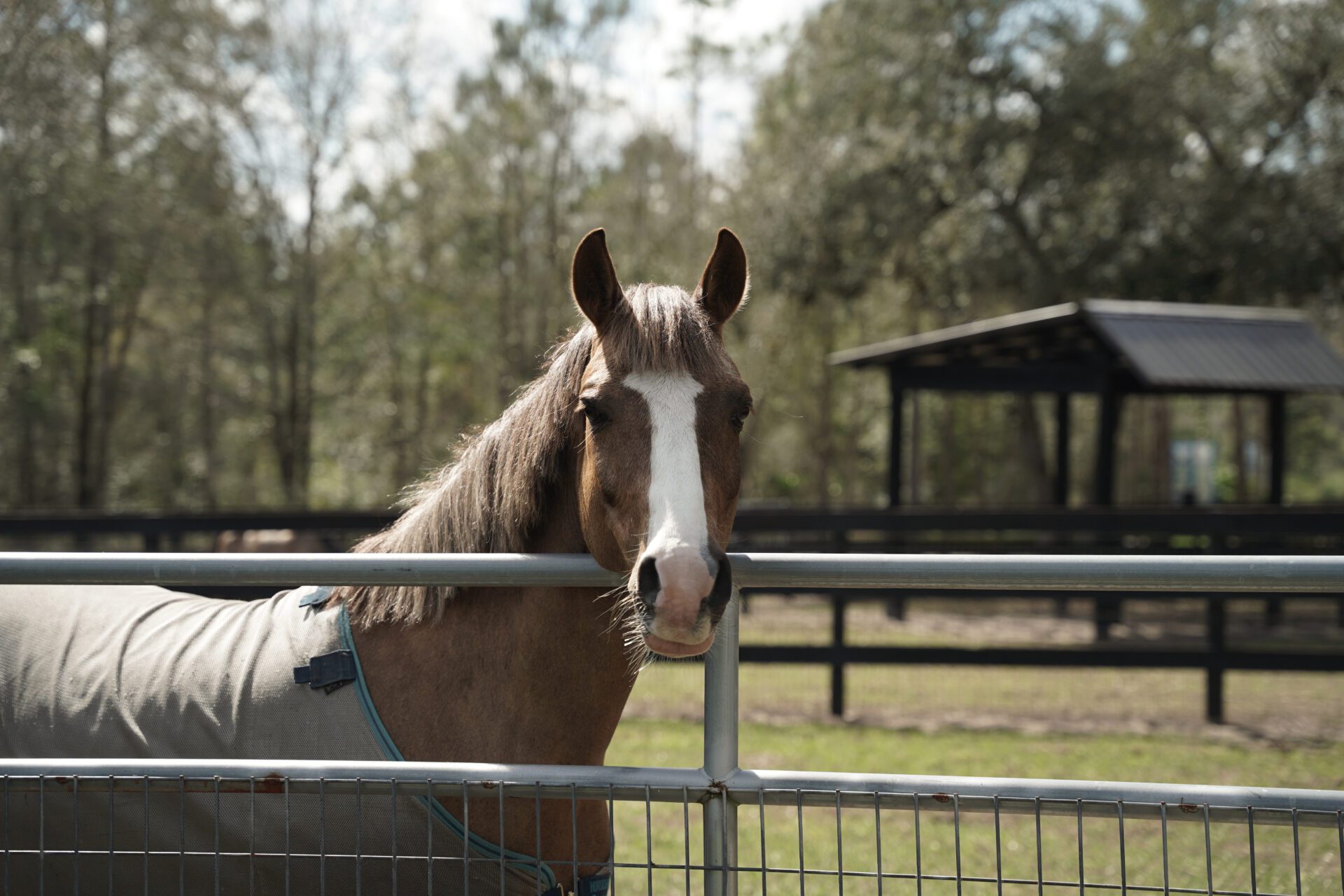
Top 7 Things Northern Equestrians Should Know Before Hauling South
As cooler temperatures settle in across the northern U.S., horse owners often begin planning their seasonal migration to warmer climates. Florida horse vacations offer sunshine, abundant trails, and equestrian-friendly resorts—making it the premier destination for northern equestrians. But before you load up your trailer and hit the highway, there are essential preparations and considerations to ensure your trip is smooth, safe, and stress-free for both you and your horses.
Whether you’re headed to Black Prong Resort, another luxury resort, or looking for horseback riding resorts in Florida, this guide will walk you through everything you need to know before hauling horses south.
1. Plan Your Route and Rest Stops
Long-distance horse transport requires careful route planning. Aim to minimize stress by mapping out rest stops, vet-approved layover facilities, and backup routes. A well-planned route ensures your horse stays comfortable and hydrated, while giving you peace of mind.
Consider:
- Use apps like Equo, Horse Motel Directory, and Google My Maps to plot your route
- Avoid steep mountain passes and high-traffic urban areas
- Choose rest stops with safe trailer parking, access to water, feed, and shade
- Have emergency contact numbers printed and ready
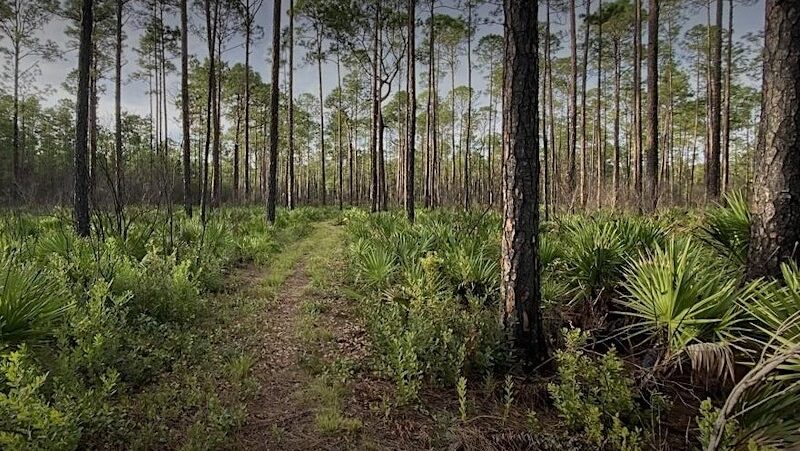
Goethe State Forest
2. Know the Travel Distances and Timing
“How far can you travel on horseback in a day?” isn’t quite the question here—but how far can your horse travel safely in a trailer? Experts recommend no more than 8–10 hours of driving per day with breaks every 4–5 hours.
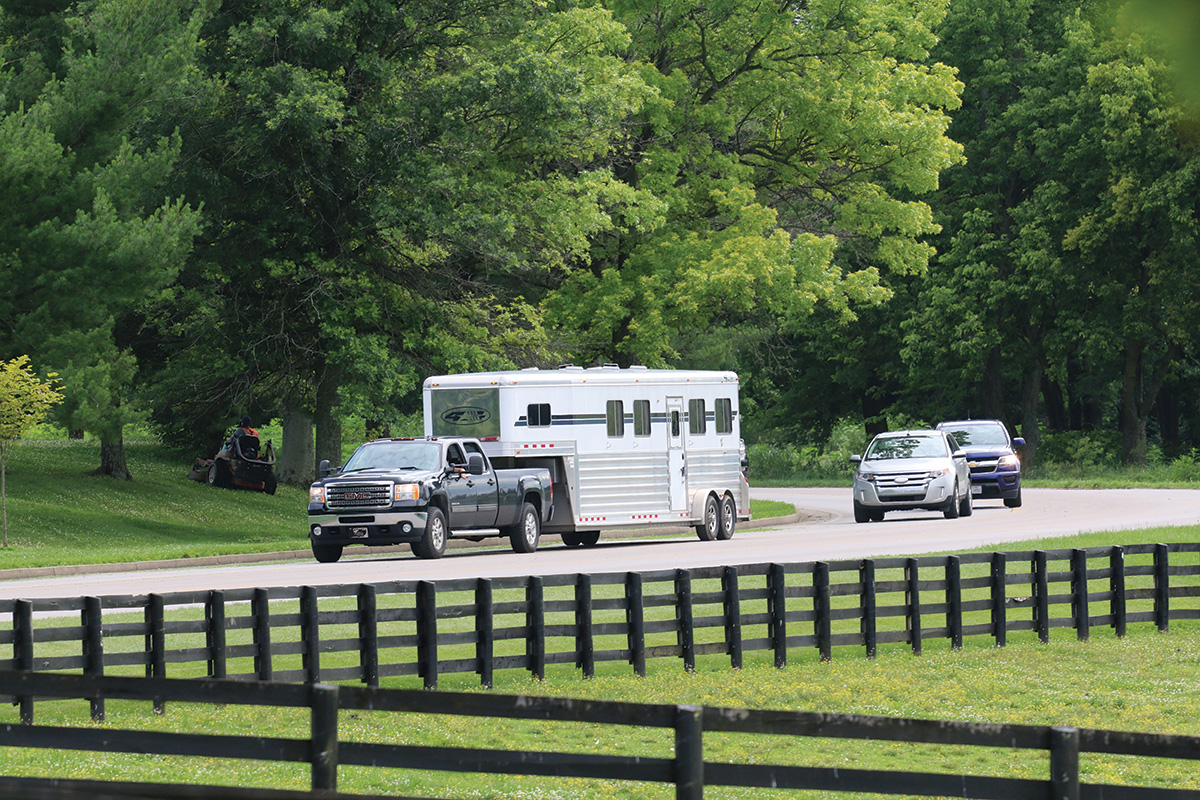
Guidelines:
- Avoid overnight drives unless you’re rotating drivers or using a professional hauler
- Plan multi-day hauls with layovers for overnight rest
- Maintain slow, steady speeds and avoid stop-and-go traffic
- If possible, travel during cooler parts of the day (early morning or evening)
🕒 Pro Tip: Schedule rides early morning or evening to beat the heat if traveling late fall.
3. Book Accommodations in Advance
Popular horse resorts, especially in horse country Florida, book up fast during the winter season. Whether you’re looking for a quick overnight at a horse riding ranch near me or long-term stabling at an elite suites resort, plan ahead.
What to Check:
- Confirm availability for both horses and humans
- Look for stabling, turnout, wash racks, and trail access
- Research nearby vets and farriers
- Ask about horseback riding prices, resort policies, and cancellation terms
✅ Recommended Stay: Black Prong Resort – offering equestrian cabins, RV hookups, elite boarding, and direct access to Goethe Forest.
4. Pack for Every Riding Opportunity
Florida’s riding opportunities are as diverse as its landscapes. From horseback riding central Florida trails to horseback tours along the Gulf Coast, pack gear that’s versatile, climate-appropriate, and accessible.
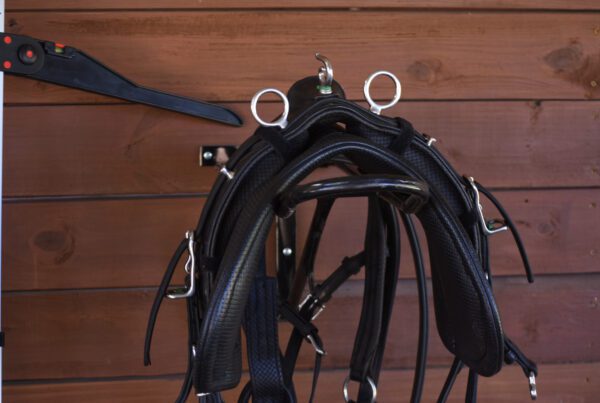
Must-Pack Items:
- Extra tack: saddle pads, halters, lead ropes
- Weatherproof gear: blankets, raincoats, fly sheets
- Portable gear: buckets, hay nets, collapsible fencing (if needed)
- Trail accessories: maps, compass, saddlebags, first aid kits
- Rider essentials: boots, helmet, gloves, sunscreen
5. Schedule a Pre-Trip Vet Check
Before any seasonal equestrian travel, a comprehensive vet check is a must. This is not just about legality—it’s about protecting your horse’s health.
Key Veterinary Requirements:
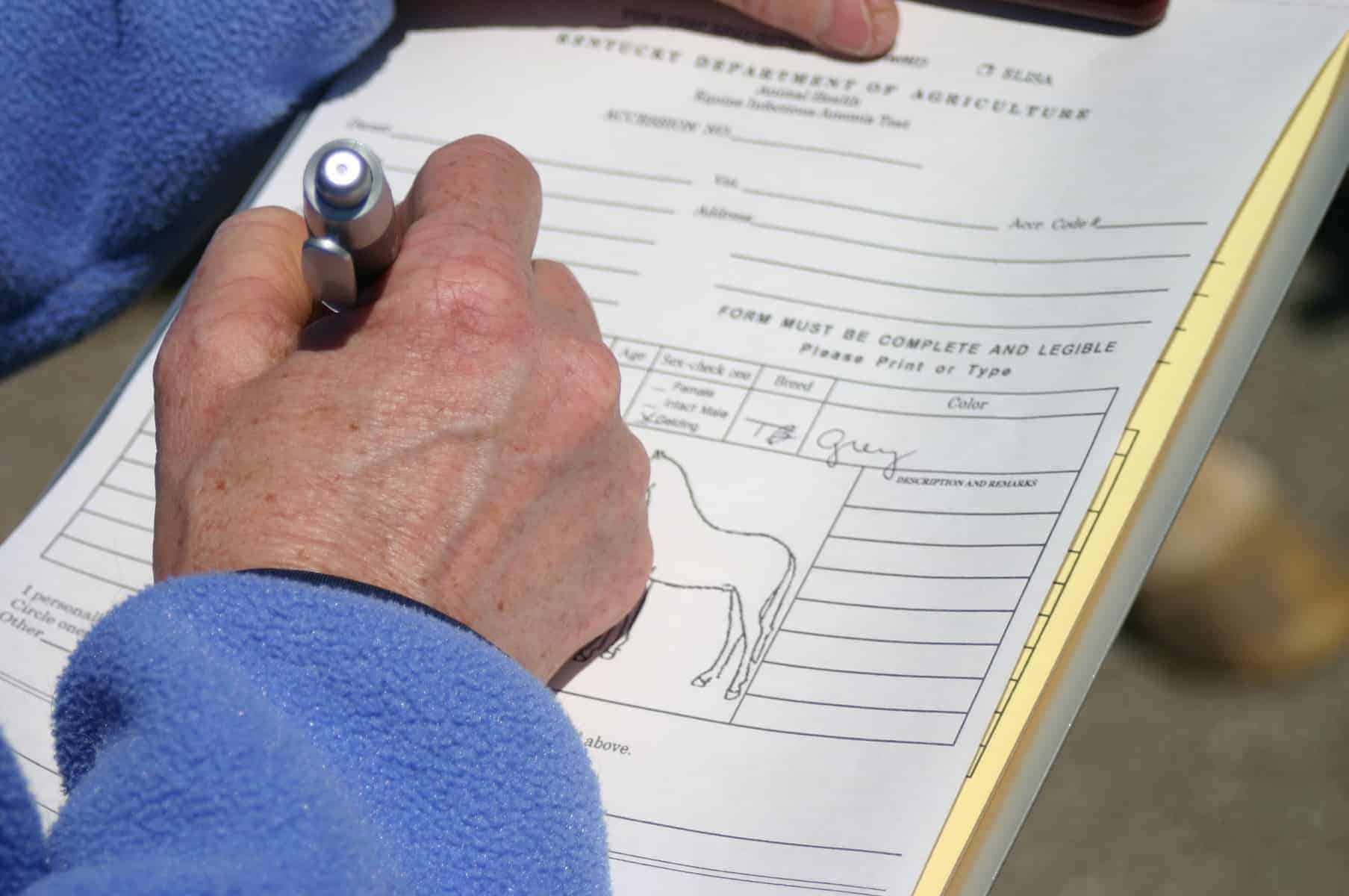
- Health Certificate (issued within 30 days of travel)
- Negative Coggins Test (within the past 12 months)
- Vaccinations: EHV-1, EHV-4, Influenza, Rabies, West Nile, Tetanus
🩺 Also ask your vet about:
- Electrolyte management
- Anti-ulcer support (e.g., Omeprazole)
- Emergency sedation or pain relief protocols
Keep digital and printed copies of all paperwork for checkpoints and resort check-in.
6. Acclimate Your Horse to the Trailer
Even seasoned travelers need practice. Hauling long distances can be traumatic if your horse hasn’t been on the road for a while.
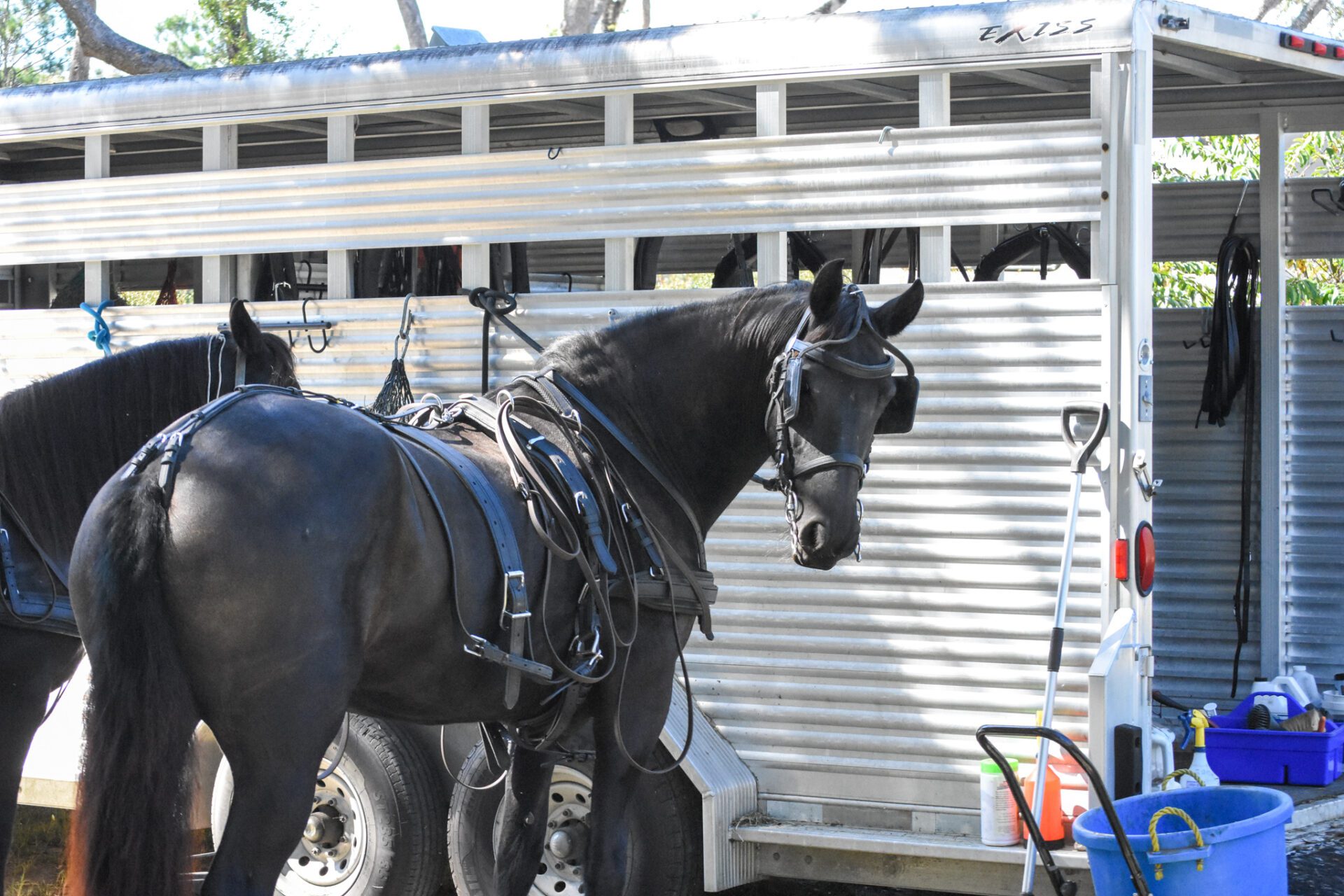
Trailer Prep Tips:
- Practice loading and unloading weekly before departure
- Use shipping boots or leg wraps to prevent injury
- Monitor with a trailer camera if possible
- Provide plenty of airflow and proper bedding
Safety Tip: Keep a halter ID tag with your contact information attached at all times.
7. Hydration and Nutrition on the Road
Preventing dehydration during horse travel is one of the top concerns. Horses can lose substantial water through stress, movement, and climate change.
Best Practices:
- Offer soaked hay and bran mashes during rest stops
- Flavor unfamiliar water with apple juice or Gatorade
- Bring enough feed and hay from home to prevent stomach upset
- Use electrolytes (paste or powder) before, during, and after travel
🧂 Consider bringing a collapsible water trough for quick and easy access.
8. Prepare for Climate Changes
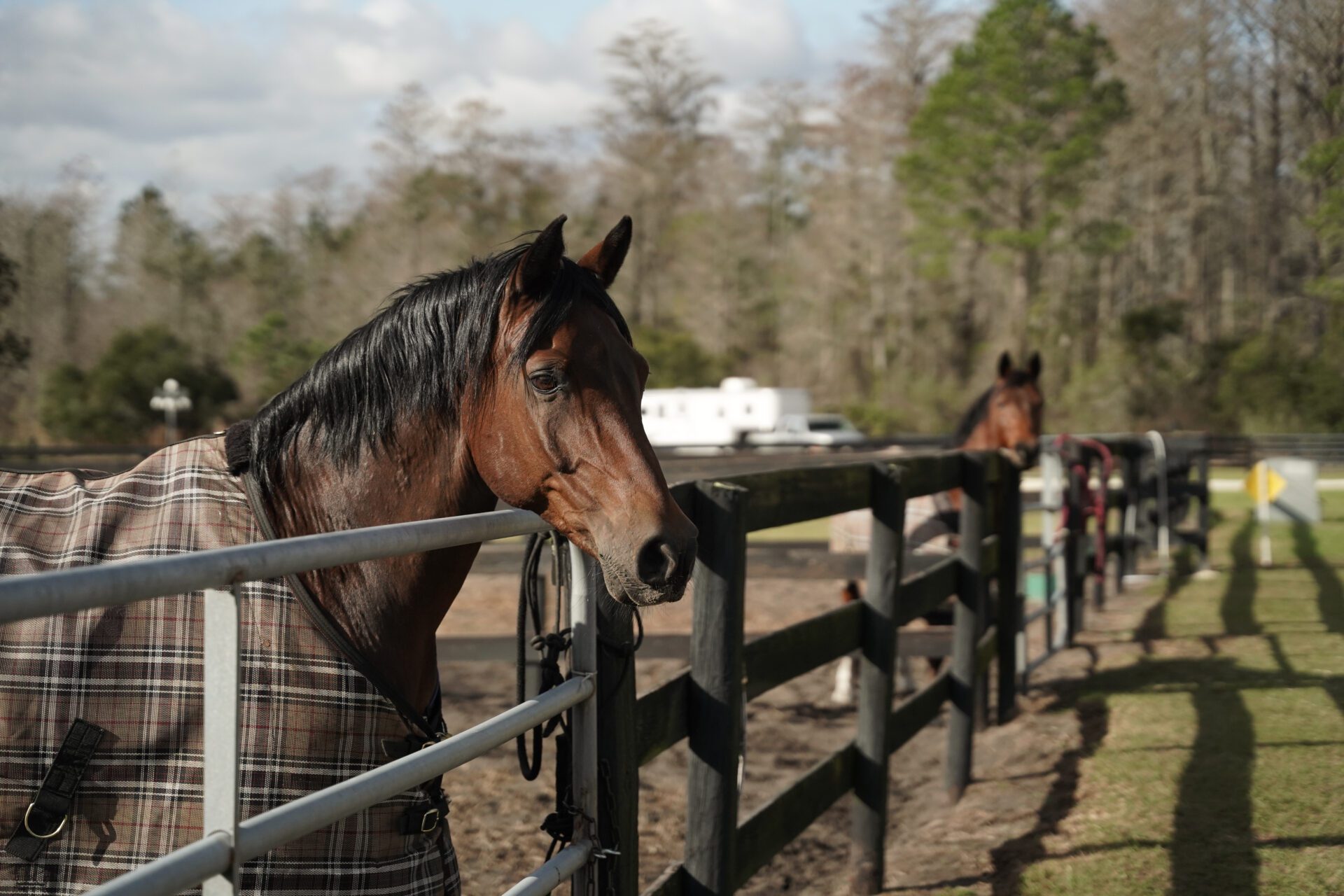
Florida may be warm, but sudden cold fronts or high humidity can still affect your horse.
Climate Tips:
- Pack light and medium-weight blankets
- Fly masks, fly sheets, and fly spray are a must
- Acclimate slowly—light rides the first few days
- Store feed and supplements in climate-controlled containers
🌡️ Southern climates require adjustment—give your horse 48–72 hours to adapt before heavy riding.
9. Understand Biosecurity and State Protocols
Biosecurity for horses on the road is critical when stopping at rest stations or temporary barns.
Travel Hygiene Musts:
- Use your own buckets, hay nets, grooming tools
- No nose-to-nose contact with unfamiliar horses
- Disinfect stalls before use
Florida Entry Requirements:
- Valid Health Certificate
- Negative Coggins
- CVI (Certificate of Veterinary Inspection) if using commercial hauler
If staying long-term, ask about quarantine procedures and barn protocols at your resort.
10. Have an Emergency Plan
No one expects breakdowns or medical emergencies—but everyone should prepare for them.
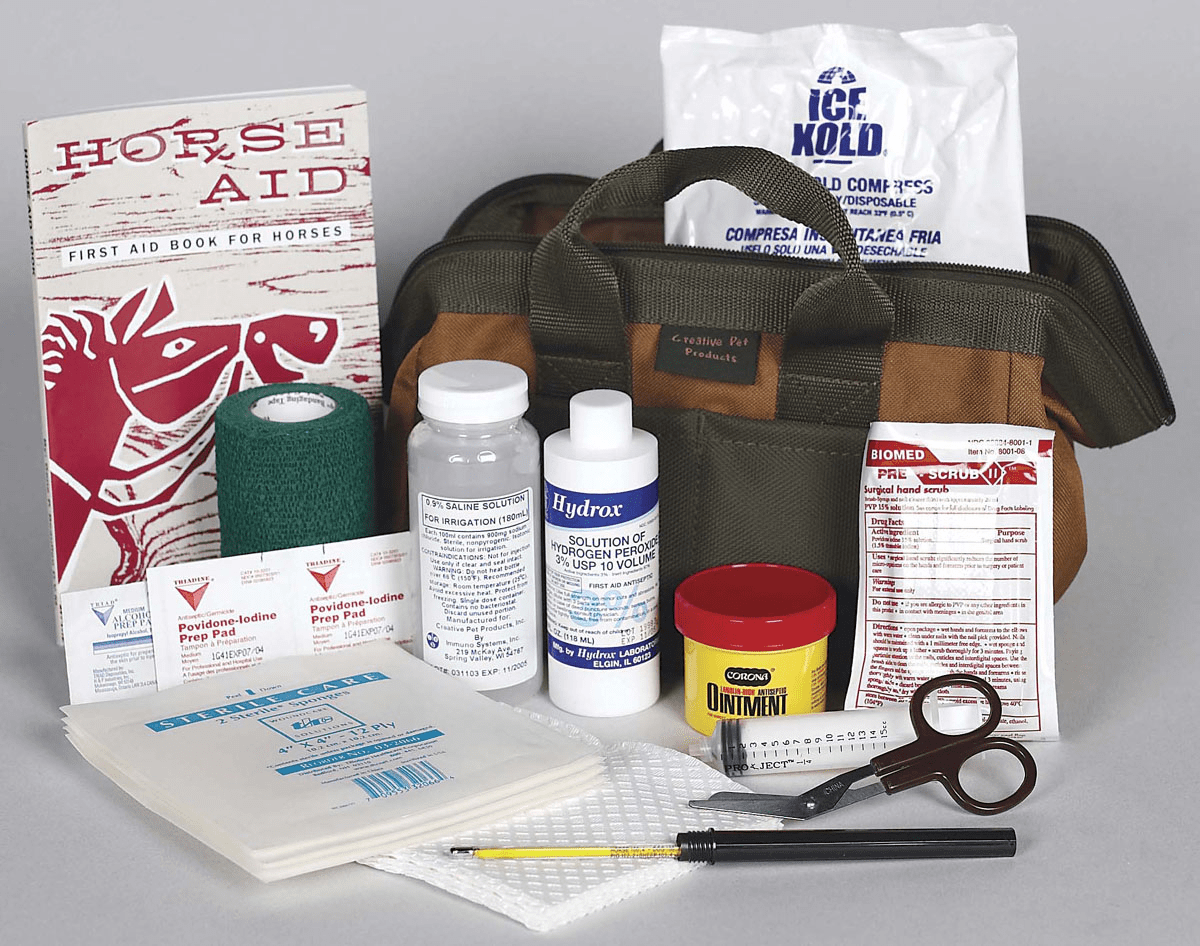
Emergency Kit:
- Horse and human first aid supplies
- Tire patch kit, jack, and flashlight
- Emergency contacts: vets, towing service, farrier, resort manager
- Backup phone battery and power bank
Pro Tip: Use GPS with equine-travel-safe routes and download offline maps.
FAQs for Northern Equestrians Heading South
Q: Can I travel with more than one horse?
A: Yes, but ensure your trailer has adequate space and ventilation. Take frequent rest stops.
Q: What’s the best time to head south?
A: Late October to early December helps avoid snow, bad roads, and peak resort booking windows.
Q: Are there specific equine transport companies I can use?
A: Yes. Use USDA-certified, insured transport companies with good reputations.
Q: Is it safe to ride right after arrival?
A: Allow 1–2 days of rest before long trail rides to let your horse acclimate.
Q: Can I board long-term in Florida?
A: Absolutely. Resorts like Black Prong offer weekly, monthly, and seasonal options.
10 Essentials for Hauling South
| Tip | Why It Matters |
| Plan Route & Rest Stops | Avoid stress and fatigue |
| Know Distances & Driving Hours | Prevent overexertion in long hauls |
| Book Accommodations Early | Secure lodging during peak equestrian season |
| Pack Smart | Be ready for all riding styles and terrain |
| Vet Check + Coggins | Required for legal and health reasons |
| Trailer Acclimation | Reduces fear and travel trauma |
| Manage Hydration | Prevents health risks on long journeys |
| Prepare for Climate Change | Florida weather requires adjustment |
| Biosecurity Protocols | Prevent illness from other horses |
| Emergency Plan | Peace of mind on the road |
Why Black Prong Should Be Your Final Destination
If you’re hauling south, make your effort worth it. Black Prong Resort offers a one-of-a-kind destination for both riders and horses:
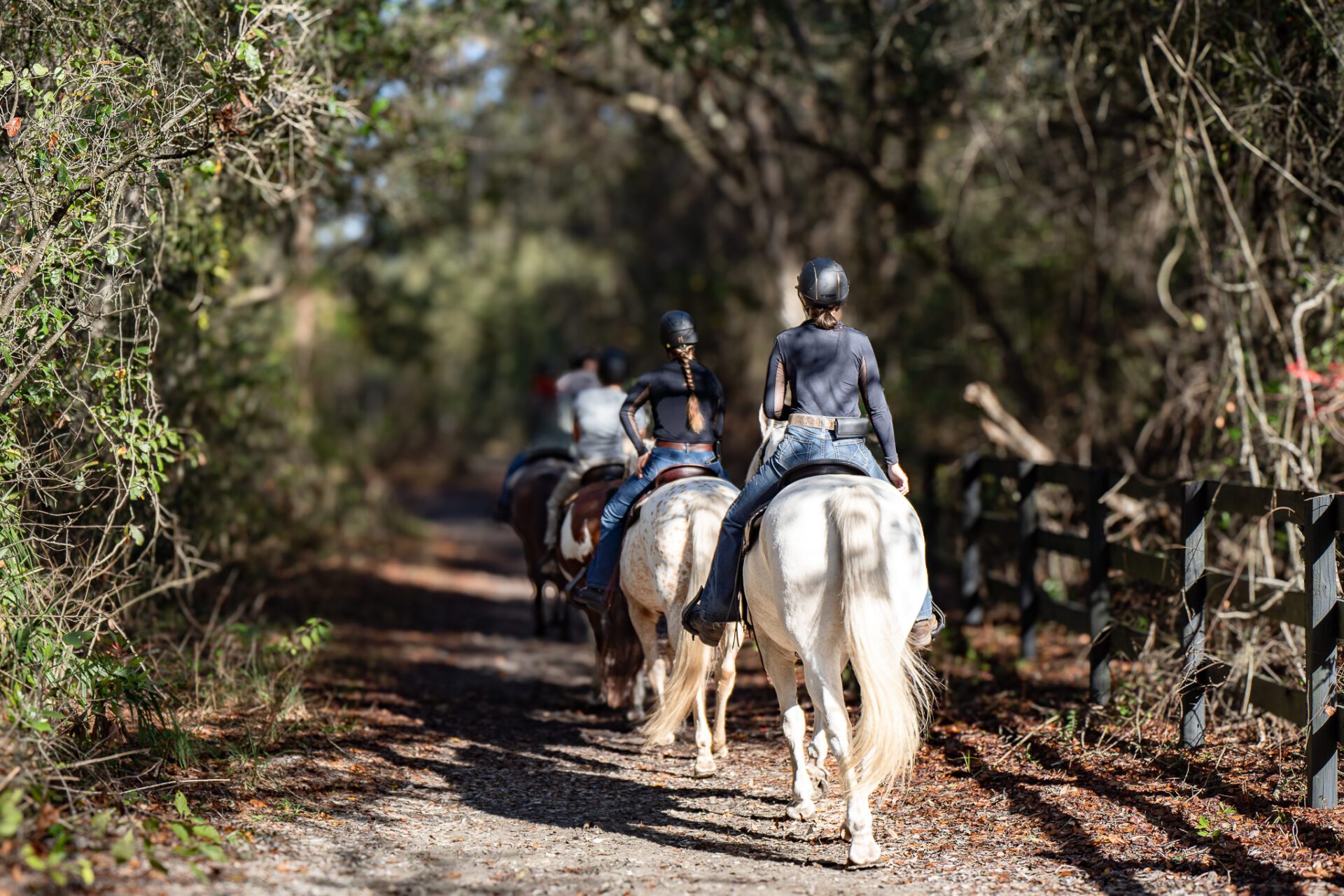
- On-site stables, arenas, turnout, and 120+ miles of trails
- Cabins, RV sites, and elite resort amenities
- Direct access to Goethe Forest and nearby horse attractions
- Concierge-style guest support and route planning help
- Community events, clinics, group rides, and holiday celebrations
📸 See Our Photo Gallery
🧭 Explore Trail Riding & Carriage Tours
🏠 Browse All Lodging Options
Final Thoughts: Ride South with Confidence
A horseback riding trip to Florida can be a dream—if you plan it right. From safe travel tips to strategic lodging, hauling horses south for the winter is about much more than just miles on the road. It’s about choosing the right destination, protecting your animals, and creating space to ride, rest, and reconnect.
Whether you’re looking for overnight horse camps in Florida, seeking a full horse riding holiday, or planning an extended horse ranch vacation near me, Black Prong Resort is the ultimate hub for equestrian travelers.
🐎 Plan smarter, ride further, and stay longer—book your Florida horse vacation at Black Prong Resort.
🌞 Let your southern journey begin here!