
Each month Trail Manager, Emily Galka, highlights flora and fauna that she observes in the Goethe State Forest that surrounds the Black Prong Resort. Goethe State Forest Species of the Month: Tarflower
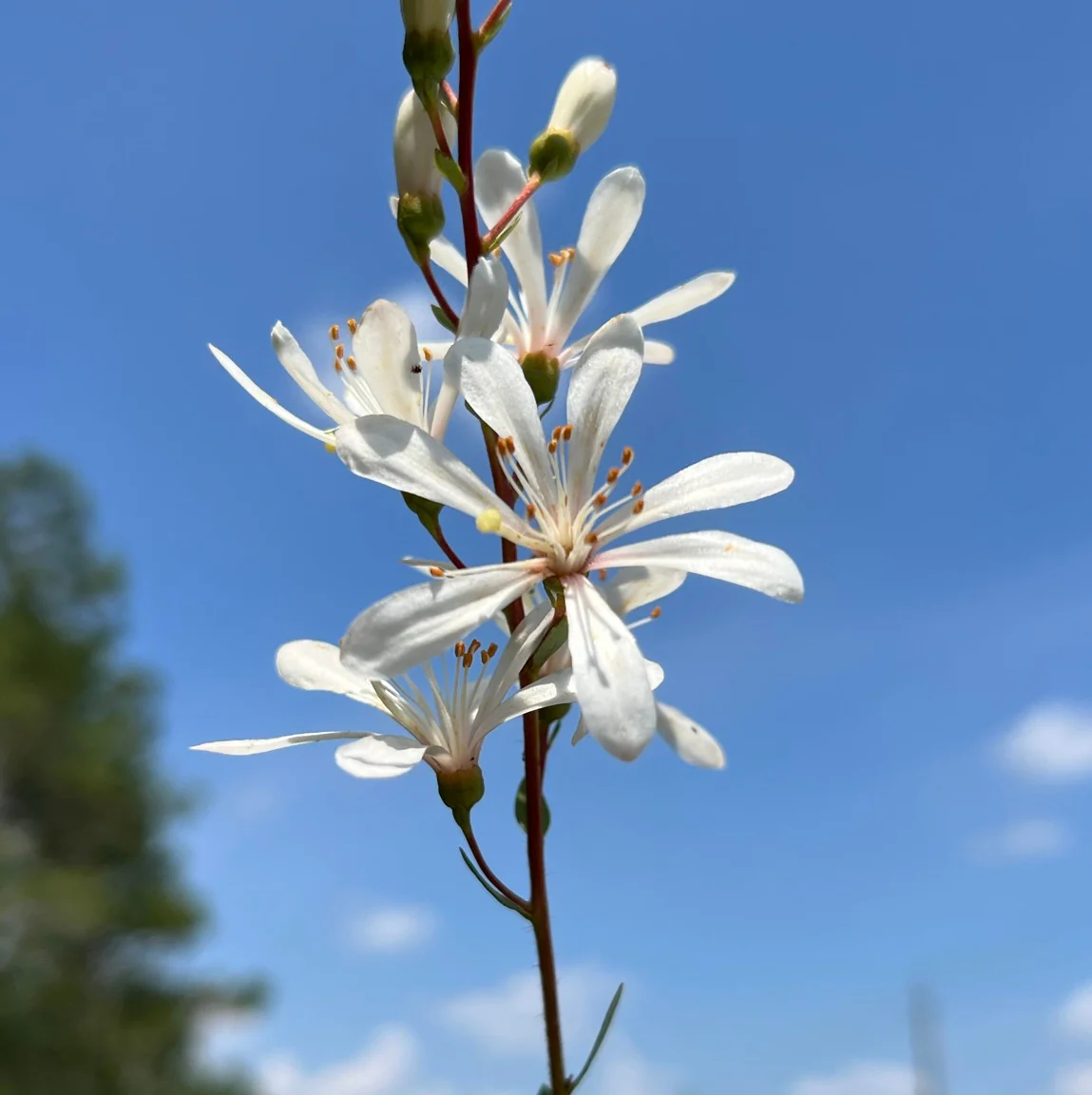
Over the summer, a wide variety of wildflowers bloom along the trails in the Goethe State Forest. Most of these plants stay close to the ground, making them difficult to appreciate in detail from horseback. However, one particular flower stands out above the rest—literally. The tarflower, with its towering height of six to eight feet and elegant clusters of inch-wide white blooms with pink stems, brings a striking visual presence to the trails. Its height places it almost at eye level with riders, making it hard to miss.

Not long ago, someone on the trail asked about these tall white flowers. I remembered their name from last summer—tarflowers—but when they asked why a white flower would be called “tarflower,” I didn’t have an answer. Intrigued, I decided to look into it. It turns out the name comes from the plant’s sticky secretions rather than its color. The flowers produce a sticky substance that traps insects. While this may sound like something out of a carnivorous plant’s playbook, tarflowers aren’t technically carnivorous. Unlike Venus flytraps or pitcher plants, they don’t produce digestive enzymes. Instead, they’re considered insectivorous; the nutrients from the trapped insects may benefit the plant indirectly as the insects decompose nearby.
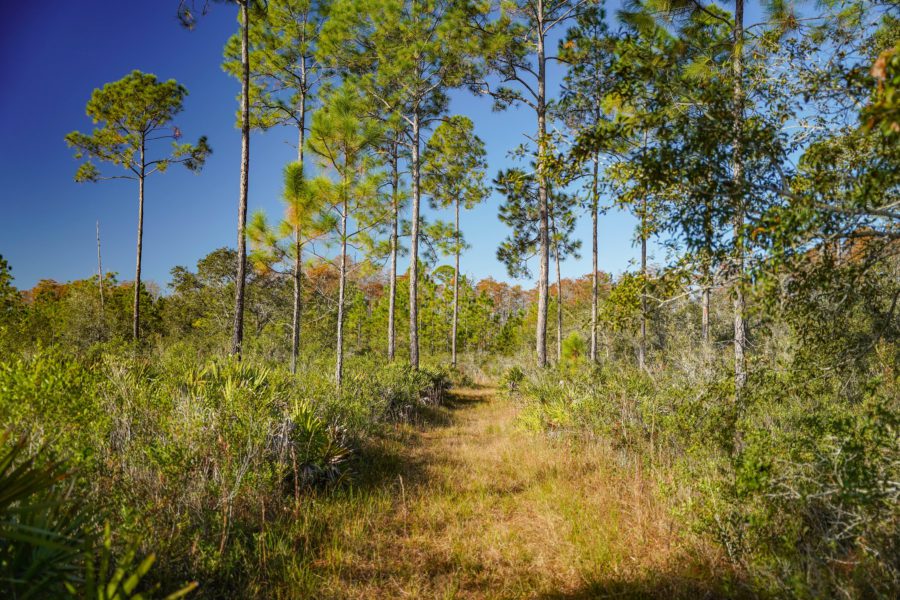
Tarflowers thrive in dry, sandy soils and are most commonly found in pine flatwoods and scrub habitats—landscapes often seen in the northern parts of the Goethe trail system. They are also a fire-adapted species. Although the plant itself lacks fire-resistant properties, it’s well-suited to bounce back quickly after burns. This resilience is clearly visible in areas that experienced controlled burns last summer, where tarflowers now bloom along stretches of trail.
Though they can be cultivated in gardens, tarflowers aren’t especially popular among home gardeners, likely due to their stickiness. Still, given how many biting insects we deal with in Florida, perhaps more people should consider this native beauty as a natural addition to their landscapes. It offers not only aesthetic value but also a bit of practical insect control.

Geographically, tarflowers range from South Carolina down through South Florida, though they are not typically found in the Keys or the Panhandle. Their peak bloom period is in June and July, but depending on location and environmental conditions, some plants may continue flowering into August.
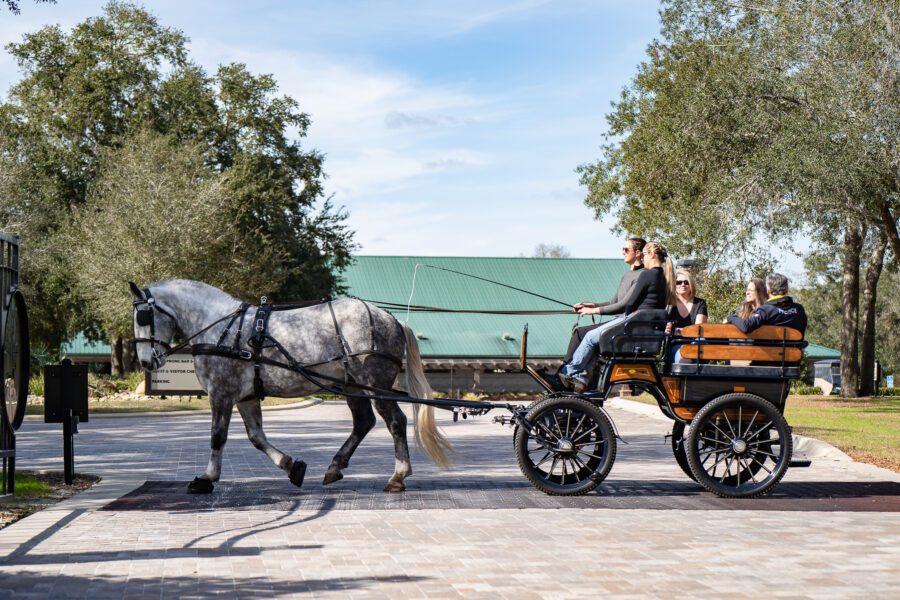
If you’re on the trails this summer, whether on horseback or in a carriage, take a moment to look for these tall, bug-trapping beauties swaying above the undergrowth. Their delicate white petals, pink stems, and unique ecological role make them one of the Goethe’s most fascinating—and elegant—summer blooms.

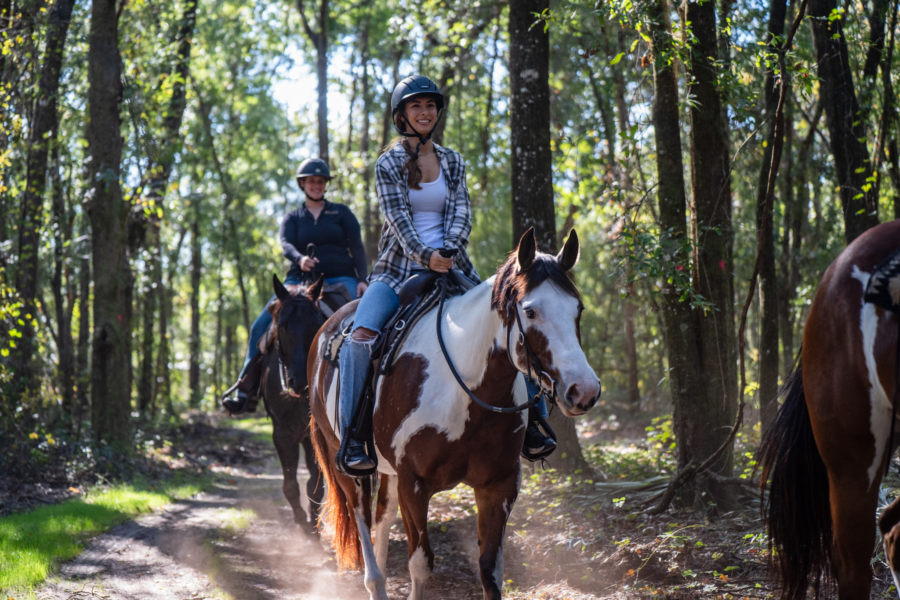
Emily Galka (shown with her horse Lisa) is Black Prong’s Trail Riding Manager and resident naturalist.